« South African borders are open to everyone, not only Africans »
(Interview with the Father Phuti Makgabo on the situation of xenophobia in South Africa)
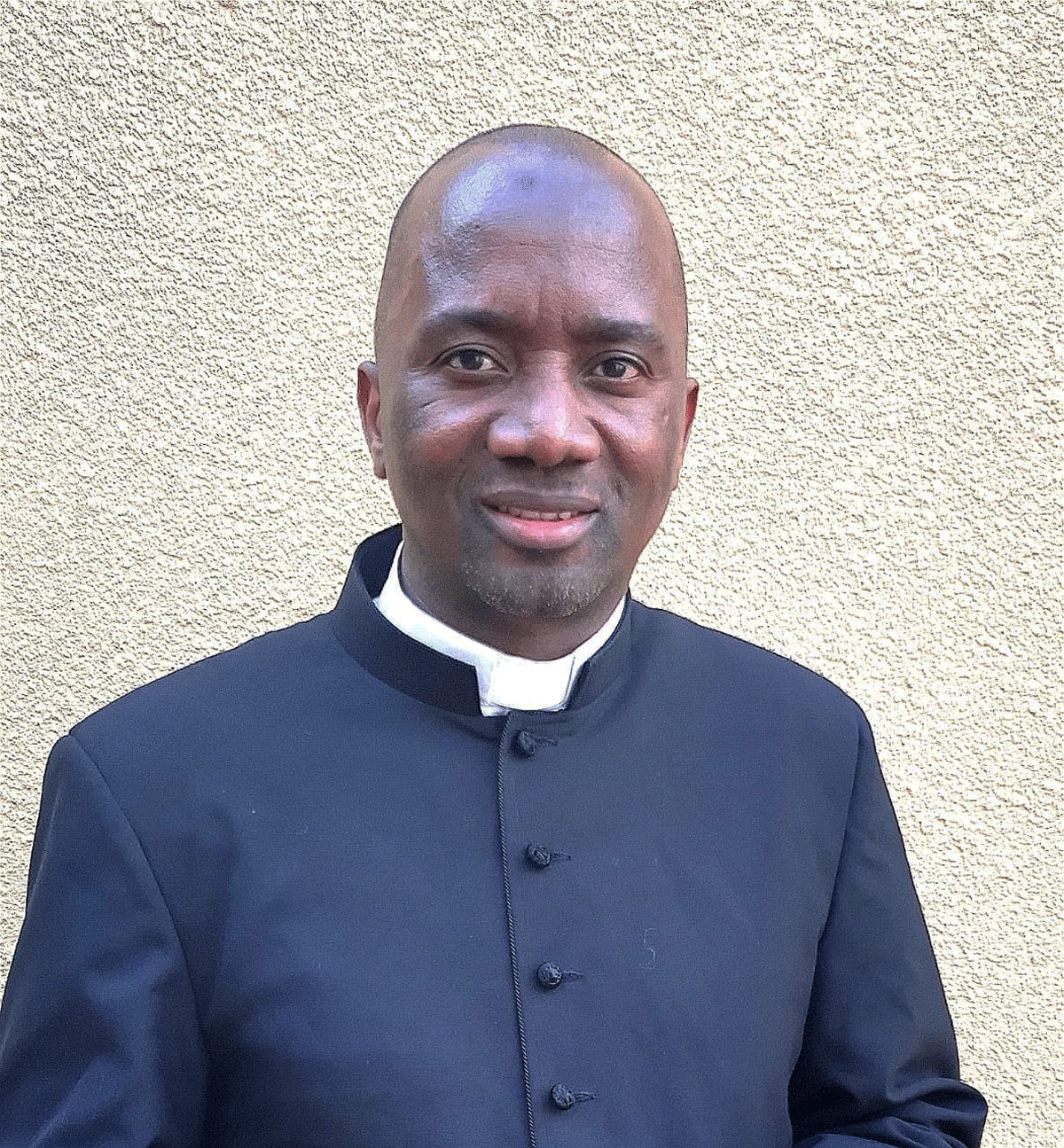
Father Phuti Makgabo
La Croix du Bénin : Can you give us the examples/cases of the bad acts of foreigners on South Africa’s people ?
Father Phuti Makgabo : In South Africa currently there are over 22 000 foreign nationals in jail, that is about 7% of incarcerated population. They are not in jail for committing crimes against South Africans only, but crimes in general, including against South Africans. There are even those who committed crimes against other foreigners, even people close to them. While some foreign nationals are stereotyped to commit certain types of crimes the fact is as a collective foreigners commit all sorts of crimes, just like the locals do.
These include theft, robbery, dealing in drugs, sexual assaults, kidnapping, carjacking, fraud, and even murder. As I said, there are no crimes that are committed by locals that are not committed by foreigners, incarcerated or not. In South Africa crime statistics are kept, and it is not so difficult to go online and find which types of crimes foreigners were arrested for. A fresh example of a crime committed by foreigners is not difficult to find either. Just today, 28th May, three Malawians were arrested at the northern border of South Africa, coming from Zimbabwe, with drugs worth around $61 million. Those drugs destination was very likely South Africa itself..
What’s the guidelines of the Episcopal Conference about this situation ?
The Episcopal Conference in South Africa has a department of migrants and refugees and it has always encouraged the integration of migrants into communities. In their statement, on the 20th of May 2026, after the protests, the bishops conference condemned violence against migrants and urged politicians not to exploit the migration crisis for political gain. In that same statement they said “We wish to speak plainly: failures in governance, accountability, and leadership lie at the heart of the current crisis”. The bishops also recognised concerns surrounding porous borders, corruption within the Department of Home Affairs, exploitation of migrant labour, criminal activities involving some migrants, and the absence of meaningful integration in certain communities. Yet they insisted that none of these realities could ever justify violence or collective punishment. It has to be stated that while the bishops are appealing for a human treatment of all foreigners, they are not saying they are in support of people entering South Africa illegally.
This is clear from the fact that the bishops themselves expect all priests and religious who come to do ministry in South Africa to enter with proper documentation. This is in fact the practice that is used by the Catholic Church everywhere.
What’s the watchword to the foreigners in South Africa ?
South Africa is a huge country with diverse cultural backgrounds, including different languages, so to want to know a watchword which is used by all South Africans is not possible. So, there is more than one watchword. That said, while there are some people who use those watchwords, not all South Africans use watchwords to talk about foreigners. In fact, most South African if they need to refer to a foreigner would use the English word foreigner even though it gets transliterated when using ethnic languages. South Africans in general don’t see foreigners as “we versus them”, as it is depicted by some media outlets.
And it has to be stated that the media, including other organisations like foundations, NGOs and religious organisation and so forth need to be truthful about the demands of South Africans. There is a tendency among some of these groups to say South Africans are having an “anti-migrants” protests, or protests against foreigners. If you listen and read the statements of those who are organising the protests they are very clear that they are against “illegal” migrants. But that word “illegal” is many times conveniently left out by those who want to frame the situation they way it suits them. That is not being truthful. Many South Africans know that there are different types of foreigners in their country, they know there are refugees, asylum-seekers, migrants and so forth.
How can we understand this behaviour while others Africa’s country like Togo open their borders for all Africans ?
This behaviour is not difficult to understand if one looks at it in an unbiased way. As opposed to Togo, which you say opens its borders to all Africans, South African borders are open to everyone, not only Africans. That is the reason why among foreigners who are in South Africa illegally you find people from other continents, Asia for instance, from countries like Pakistan, Bangladesh, and China, just to name a few. I am certain that Togo has its own policy regarding who may and may not enter the country, whether that policy is enforced or not is another story, and the same applies to South Africa. The South African policy on migration is not a secret, and like in many other countries, one is expected to enter South Africa only through legal avenues. Anything other than that is breaking the law. This brings to mind the gospel that says anyone who does not enter through the gate is a thief and brigand.